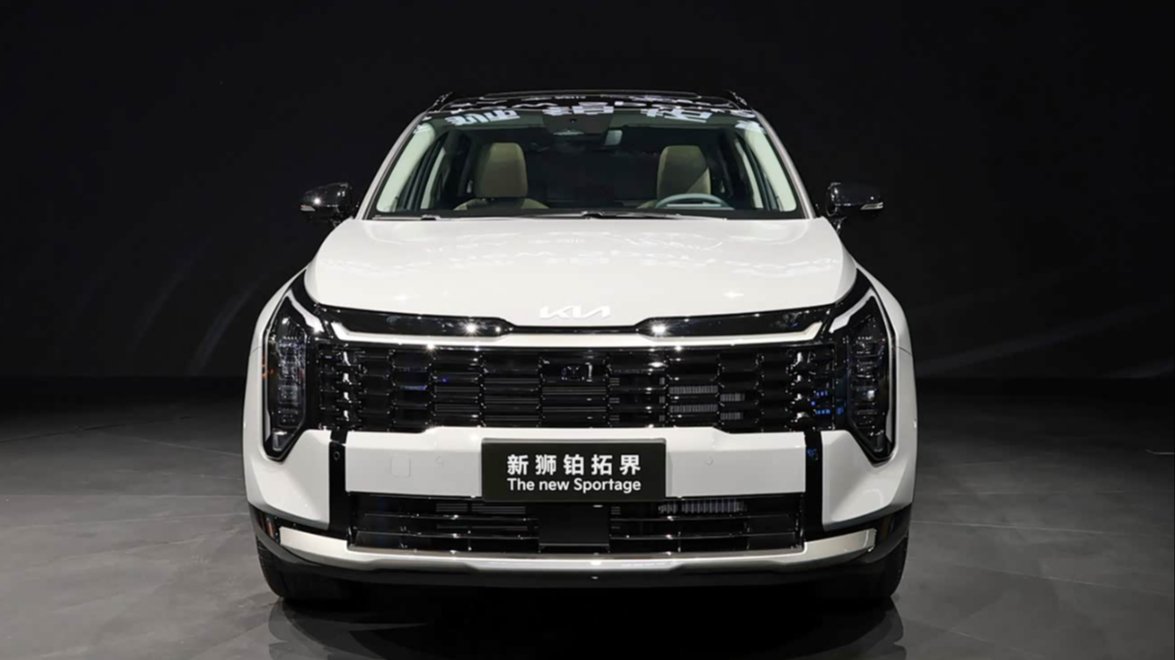
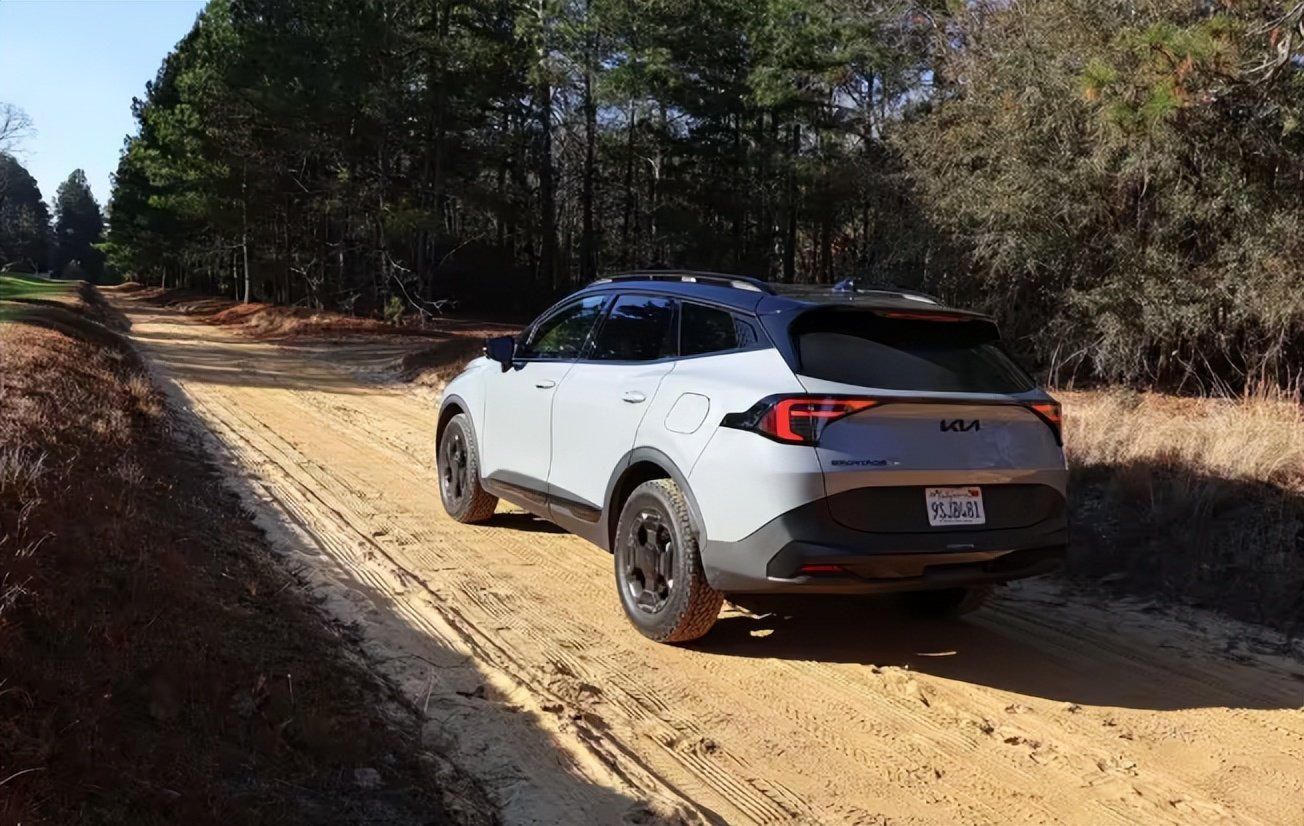
Latest news on January 24th: Kia's facelifted Sportage—fine, they insist on calling it the Sportage—this car is set to roll off the line on February 7th and hit the market in March.
Seeing this news, I actually have mixed feelings about it. Everyone knows all too well how Kia has been doing in China these past few years.
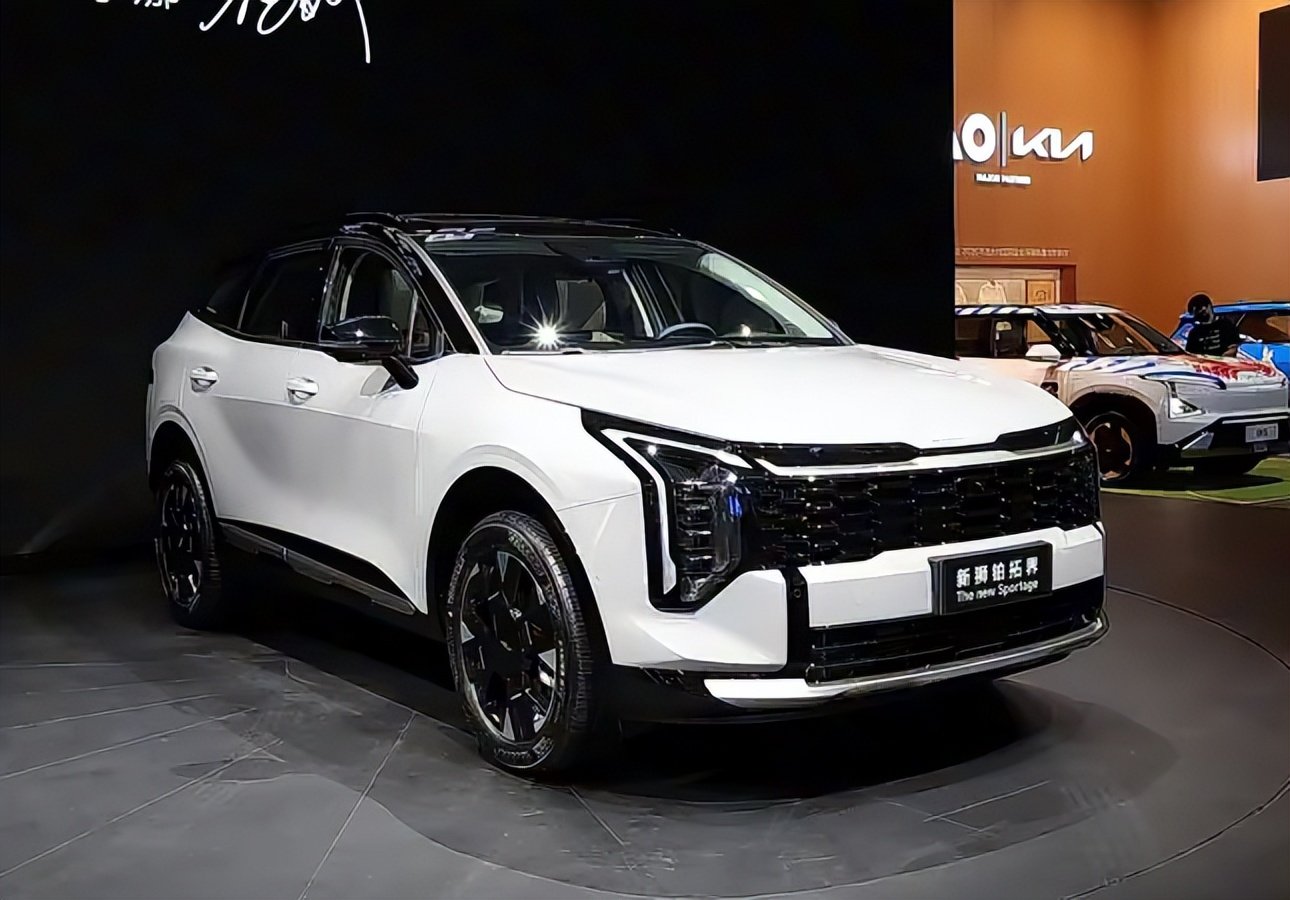
But this Korean automaker just has that stubborn streak—even if you can't find its name on the sales charts, it still keeps bringing globally synchronized models into the domestic market.
And this mid-cycle facelift is moving fast—not like a marginalized brand, but like a gambler desperate for a comeback.
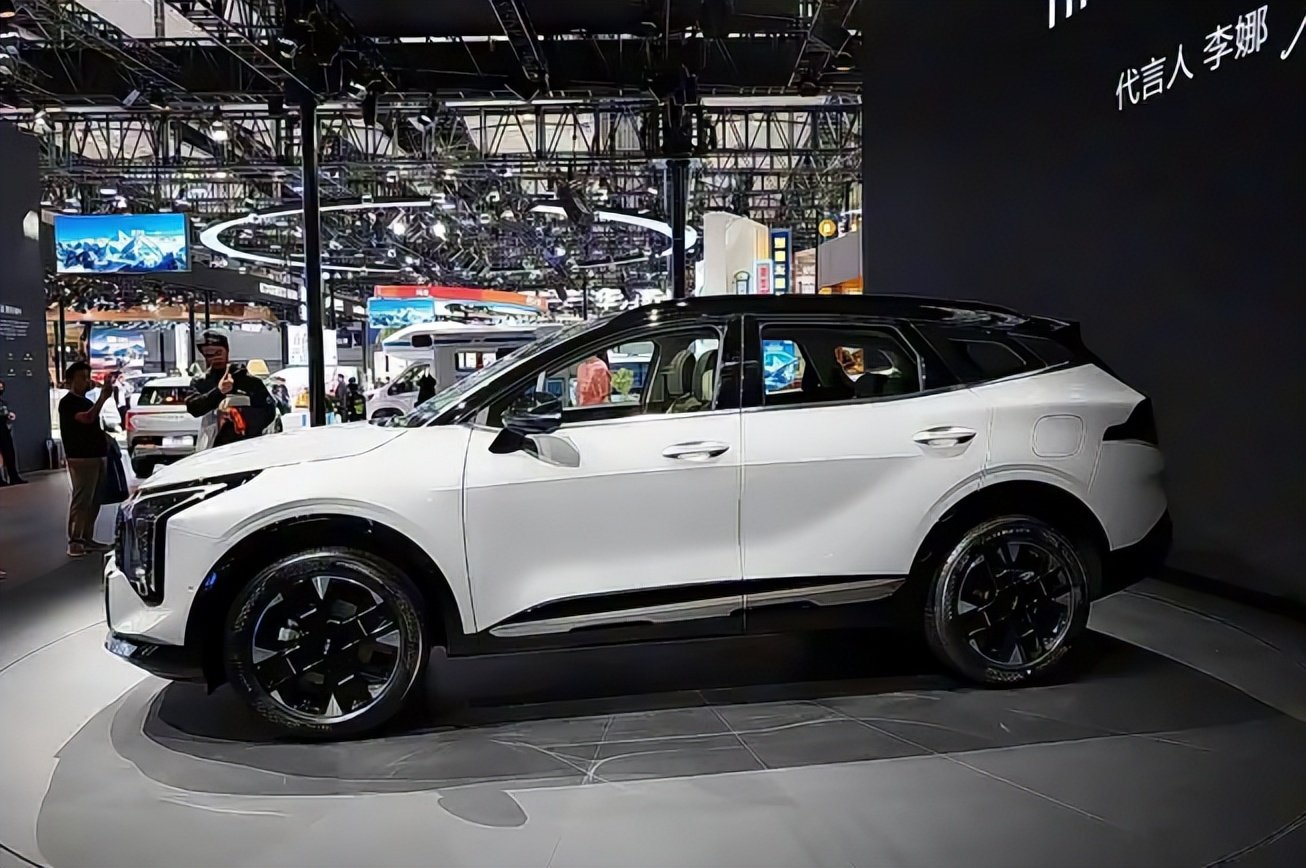
I won't hold back—let me start by roasting this name.
It's not just a little awkward to say—it's seriously tongue-twisting! A perfectly good "Sportage," and they just had to transliterate it into something so unwieldy—four characters, not a single one flows into the next. Reading it feels like doing a tongue twister.
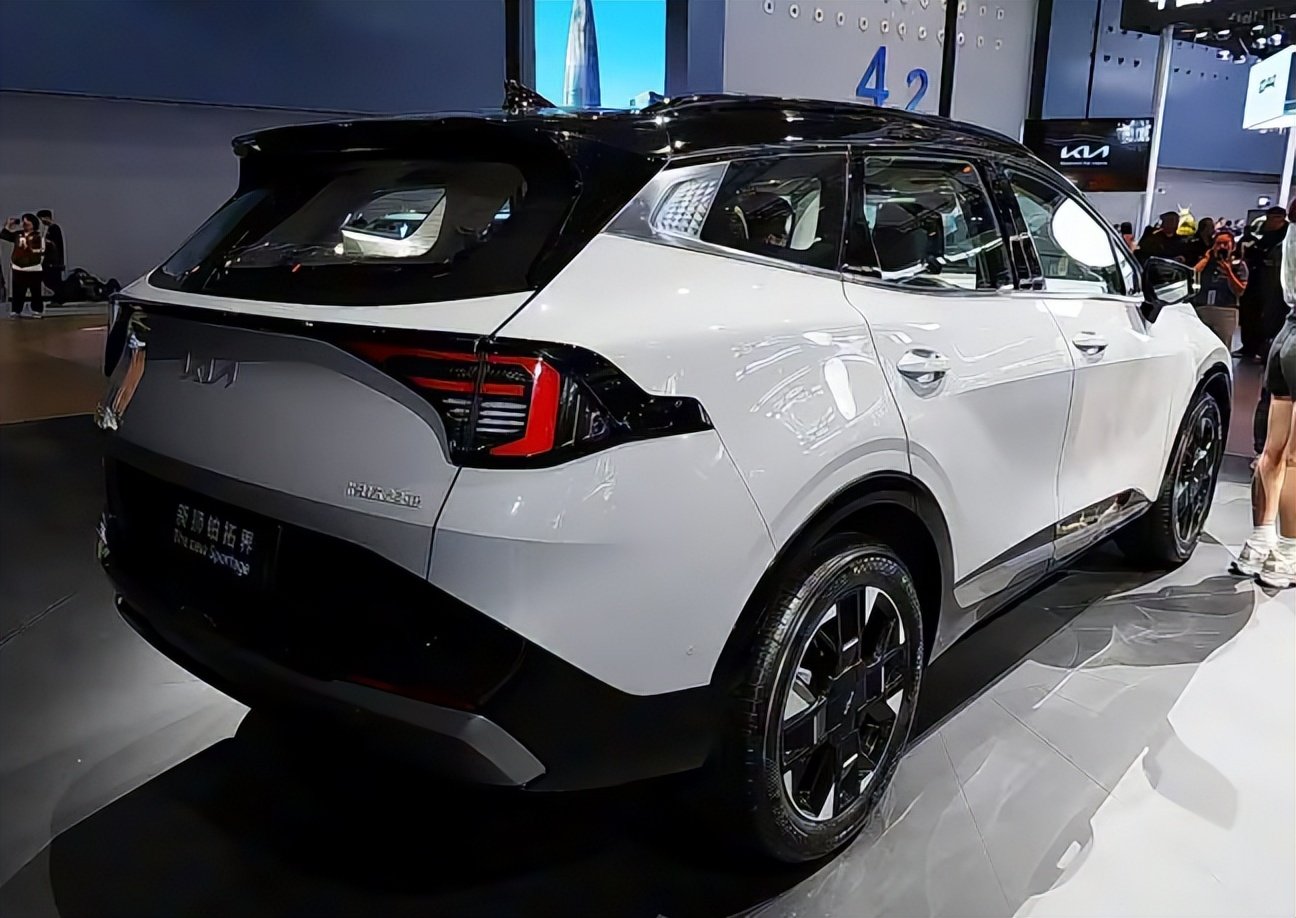
Just call it Sportage, or even KX5, anything would work—but no, they had to come up with this fancy-sounding term. Every time I go to a 4S dealership, I bet most car enthusiasts want to ask the salesperson: doesn't your tongue get tied in knots saying this name?
Also, that "boomerang" DRL on the old model—I've put up with it for a long time. That shape looked like a parenthesis the designer doodled after having too much to drink—no matter how you look at it, it's just awkward.
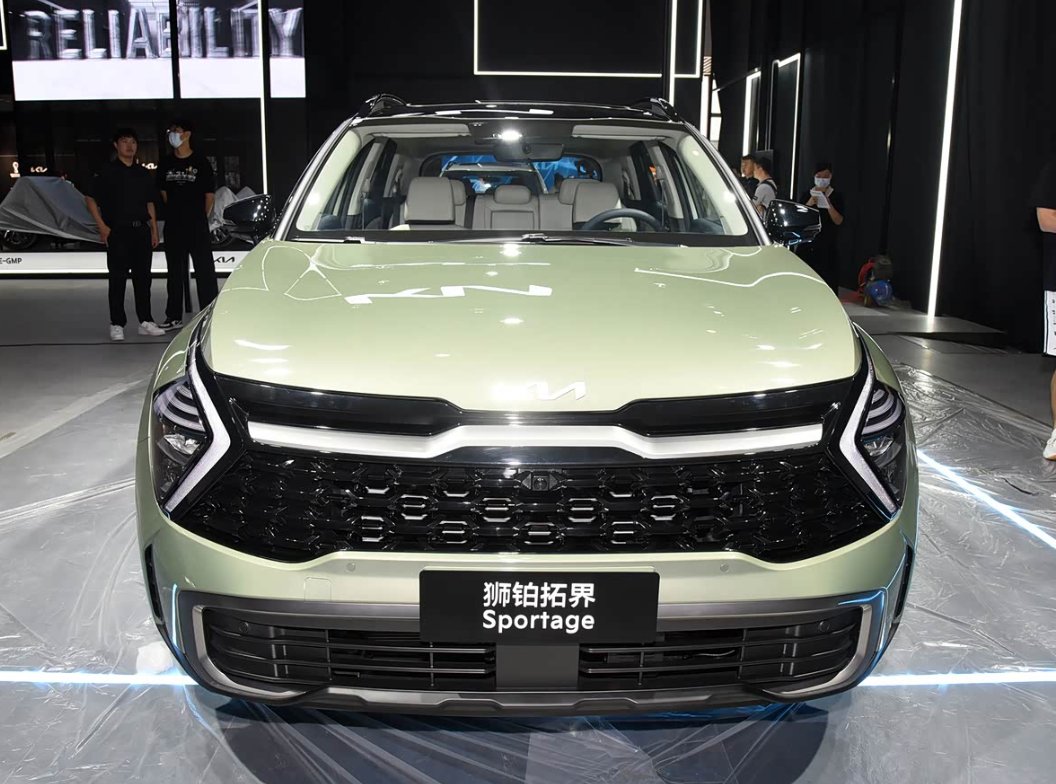
This time with the facelift, Kia has finally come to its senses. The new car directly adopts the overseas version's design—that so-called "Star Map" light cluster turns the headlights into a vertical shape.
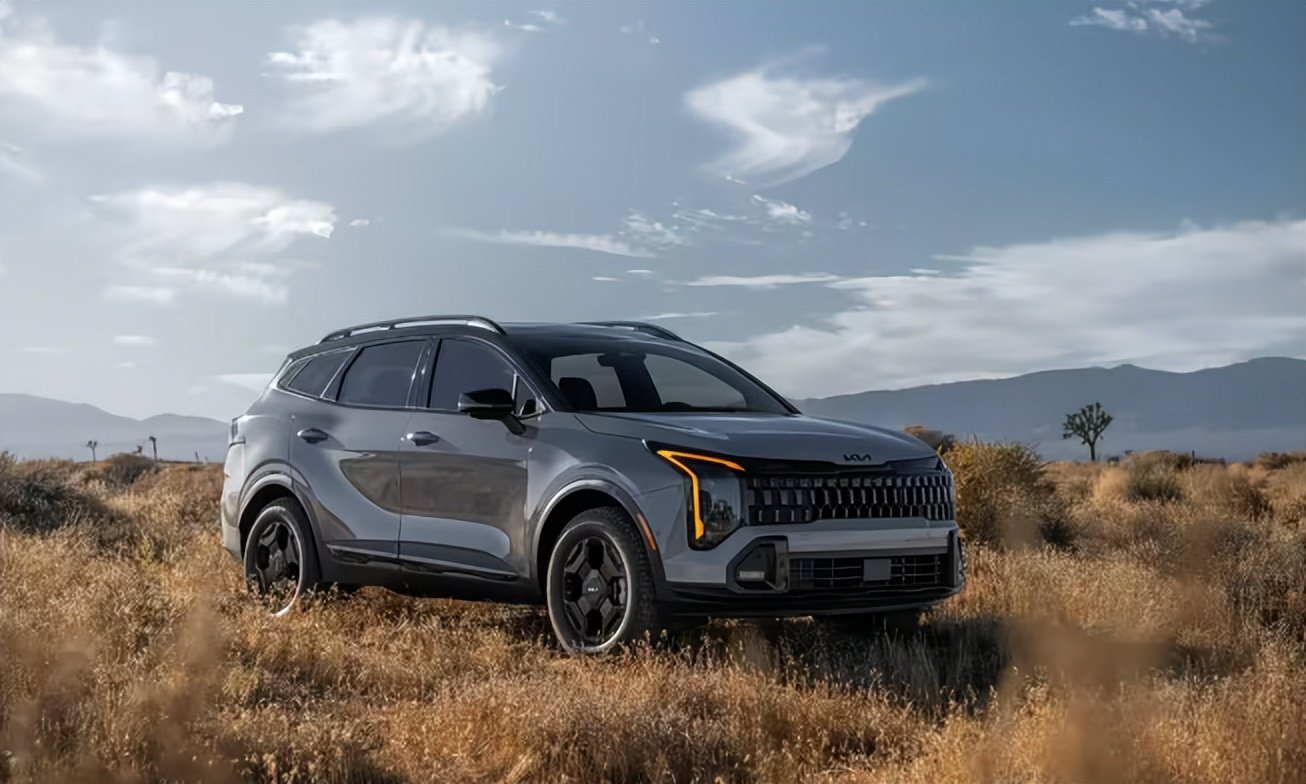
With this change, the whole car's presence shifts from "weird" to "sharp." Combined with that dark, gaping grille, it does have a bit of a fierce edge.
In terms of dimensions, the car measures 4695/1865/1678mm in length, width, and height, with a wheelbase of 2755mm. They say it's 10mm longer than the overseas version—where did those 10mm go? Probably into the plastic parts of the bumper.
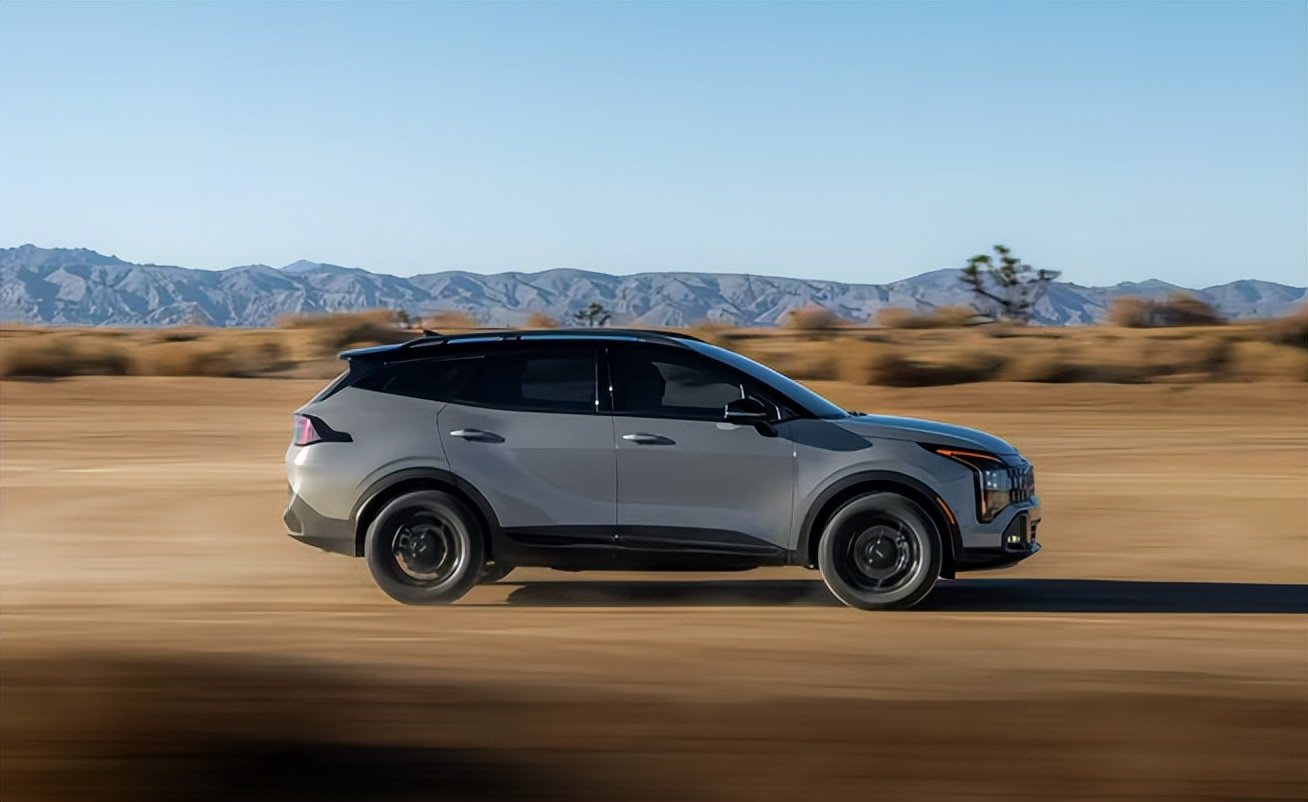
But a 2755mm wheelbase is indeed not short for a compact SUV.
The biggest selling point of this car—and the only reason I'd be willing to recommend it—is the powertrain.
In today's world, Japanese brands are still clinging to CVTs, German brands are still jerking around with dual-clutch gearboxes, and Kia has actually equipped even the entry-level 1.5T with an 8AT transmission.
Do you know how much it costs these days to buy a joint-venture SUV with an 8AT? Kia continues to offer the 1.5T (147kW) and 2.0T (180kW) engines, with 8AT across the entire lineup.
It's like being among a group of people drinking plain water and suddenly someone brings out a cup of pour-over coffee. The beans might not be top-grade, but at least it's the real deal.
In terms of driving feel, this 8AT's downshifts aren't as lightning-fast as BMW's ZF, but the smoothness that comes from the torque converter is something a CVT's "revs up but goes nowhere" rubber-band feel can't match.
Especially in traffic jams—you don't have to worry about the transmission overheating, and you don't have to worry about the belt slipping. That's called confidence.
The interior has everything it should have, but it's just okay. Dual 12.3-inch curved connected screens. This design looked fresh two years ago—but now? They're everywhere. Even domestic cars costing a hundred thousand yuan come with a big TV screen.
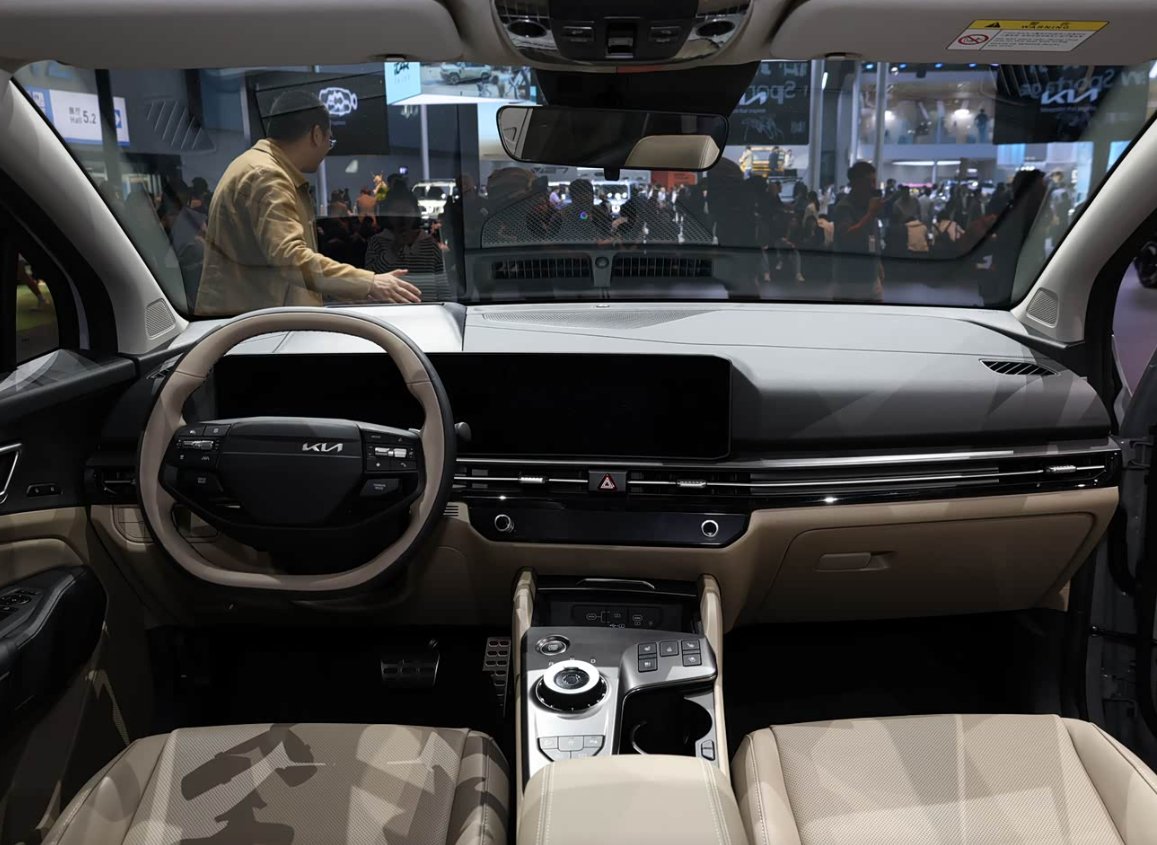
Still, Kia retained a bit of sensibility—they added chrome trim around the air vents, which elevates the texture slightly.
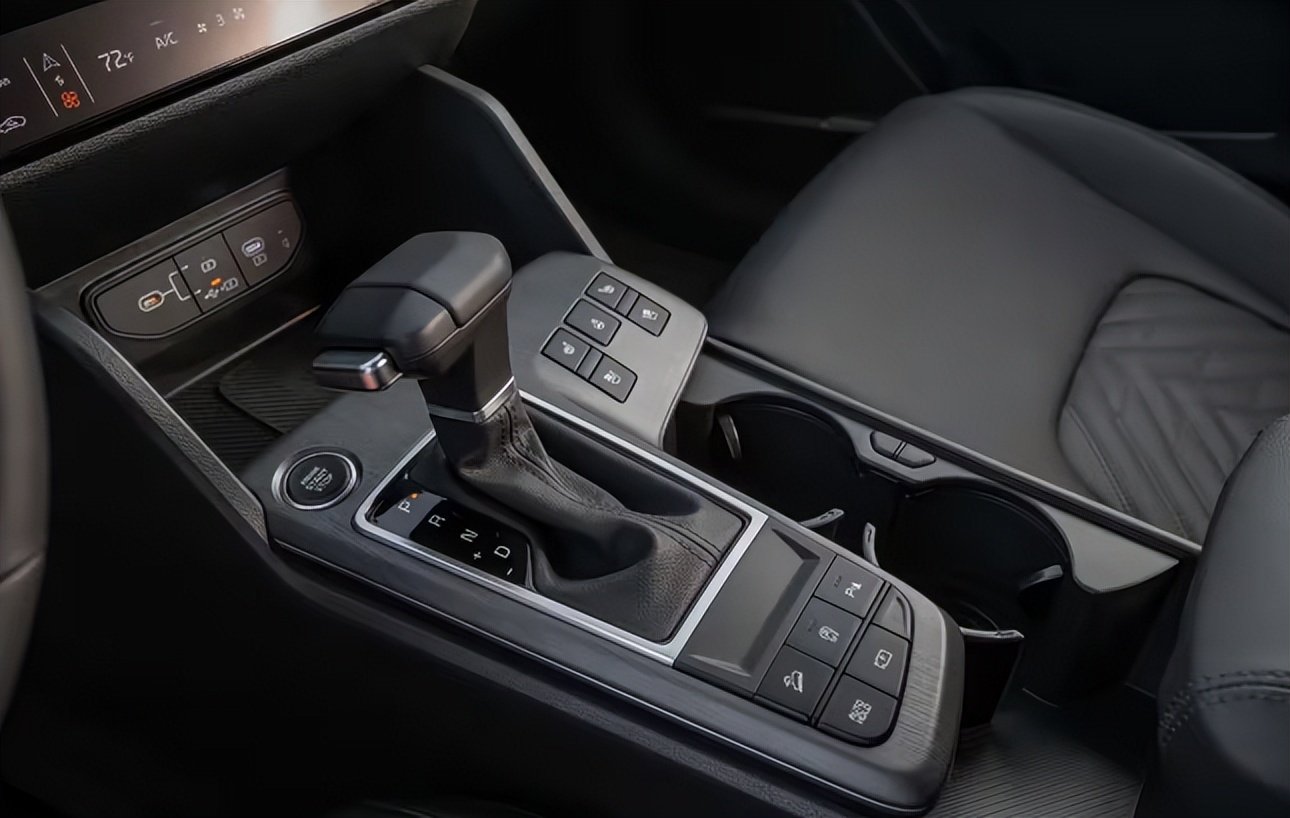
But what I'm most worried about is those touch buttons—operating them blind while driving is an absolute disaster. Fortunately, the gear shifter has been changed to a rotary dial—it saves space, sure, but you lose a bit of the joy of grabbing a shift lever.
How is this car? As a family vehicle judged on mechanical competence, it's very capable—even slightly "overkill" in terms of transmission specs.
But the problem is, it's now 2026. Neighboring BYD Song, Geely Galaxy, or even Deep Blue are all using plug-in hybrids and range extenders to teach joint-venture cars a lesson.
Your Kia Sportage—no matter how low its fuel consumption is, can it beat a plug-in hybrid? No matter how fast it accelerates, can it beat an electric motor?
As for whether it can catch on? Hard to say. Unless, when it launches, the price can be as jaw-dropping as its name.